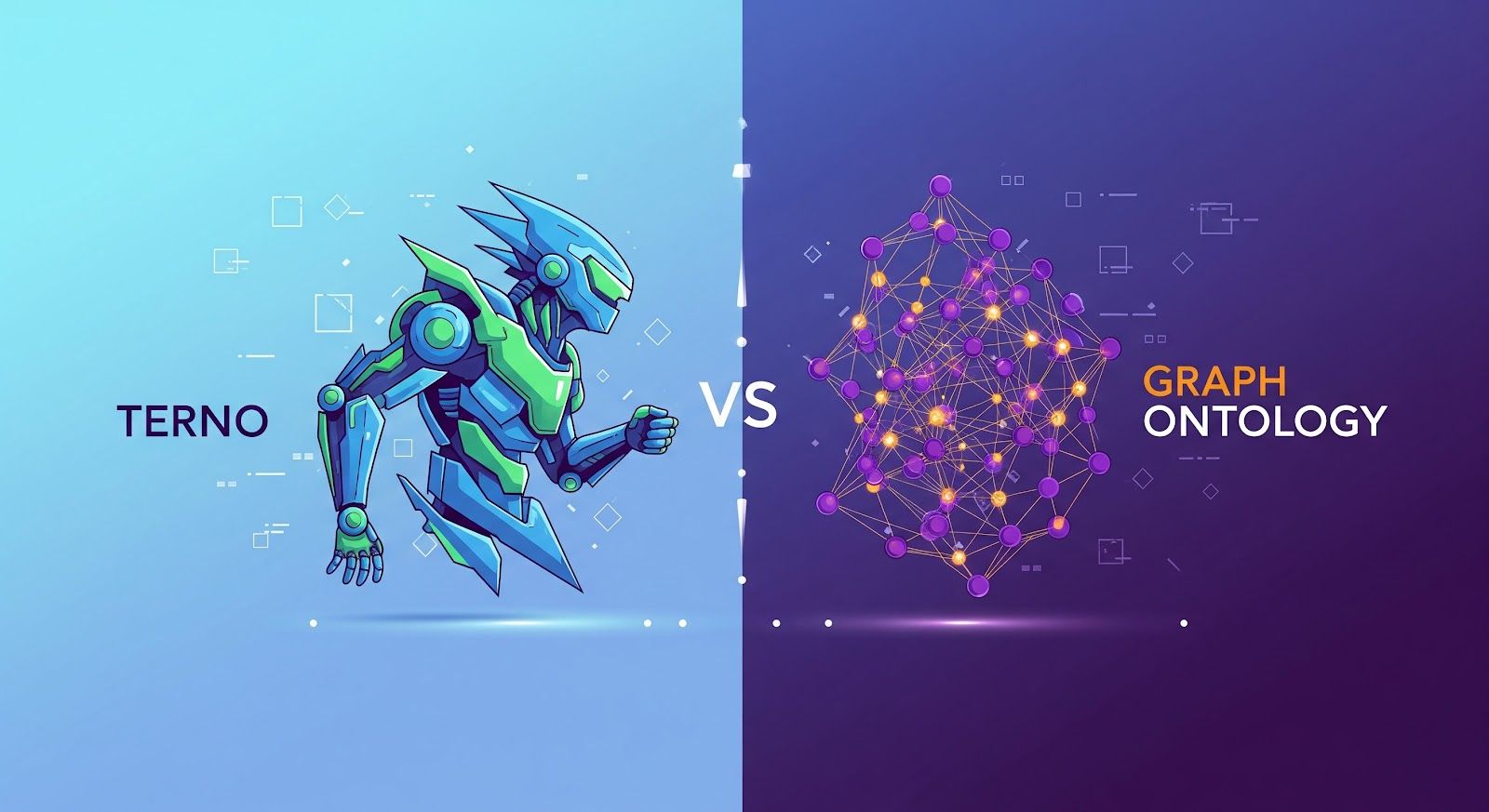
Why Semantic Layers Outperform Graph Ontologies in LLM-Based Text-to-SQL Systems
Text-to-SQL has not failed because models cannot write SQL. It has failed because we keep giving Large Language Models the wrong kind of context.
For years, the industry has relied on ER diagrams, ontologies, and graph-based schema models to explain databases to machines. These tools were built for humans to visualise structure, not for language models that reason using tokens, descriptions, and probability.
As enterprise benchmarks such as BIRD and Spider have demonstrated, graph-heavy systems struggle the moment schemas become messy, ambiguous, or truly enterprise-grade.
The most accurate modern Text-to-SQL systems have quietly shifted direction:
They prune schemas instead of visualizing everything
They inject semantic descriptions instead of traversing graphs
They reason over language rather than rigid relationships
This is where semantic layers begin to replace ontologies, not as documentation, but as a core execution layer designed for LLM reasoning.
In our new whitepaper, Semantic Layer: Terno Approach vs Graph Ontology, we explain:
Why ontology-based systems structurally fail LLM reasoning
How automated semantic layers outperform graphs on enterprise data
Why top-performing Text-to-SQL architectures align with semantic narration rather than ontology traversal
What this shift means for enterprises investing in AI-driven analytics
For the enterprise seeking to unlock the value of its data, the directive is therefore unambiguous.** Do not invest in tools that merely visualise your schema that freeze meaning in time. Invest instead in systems that can automatically understand, narrate, and evolve your data.**

10 September 2026
Designing CertusAI: A Compliance-First Enterprise LLM Platform for Regulated Industries
As enterprise adoption pivots from raw model parameter scale to verifiable trust, CertusAI introduces a compliance-first LLM architecture engineered specifically for highly regulated industries. By integrating real-time PII redaction, deterministic policy enforcement, and cryptographically signed audit chains directly into the inference pipeline, CertusAI unlocks agentic AI productivity while ensuring total data sovereignty and statutory compliance.

10 September 2026
E-Commerce Return Intelligence: Analyzing Return Drivers and Predicting Purchase-Time Return
Addressing reverse-logistics friction and return-rate costs in fashion e-commerce, this study leverages the 1.37M-record ASOS GraphReturns dataset to evaluate product, pricing, and country-level return drivers. Using Terno AI for structured analysis alongside a deployed Logistic Regression baseline, the platform provides purchase-time risk scoring to power relative risk ranking, operational prioritization, and non-punitive intervention pilots.
10 September 2026
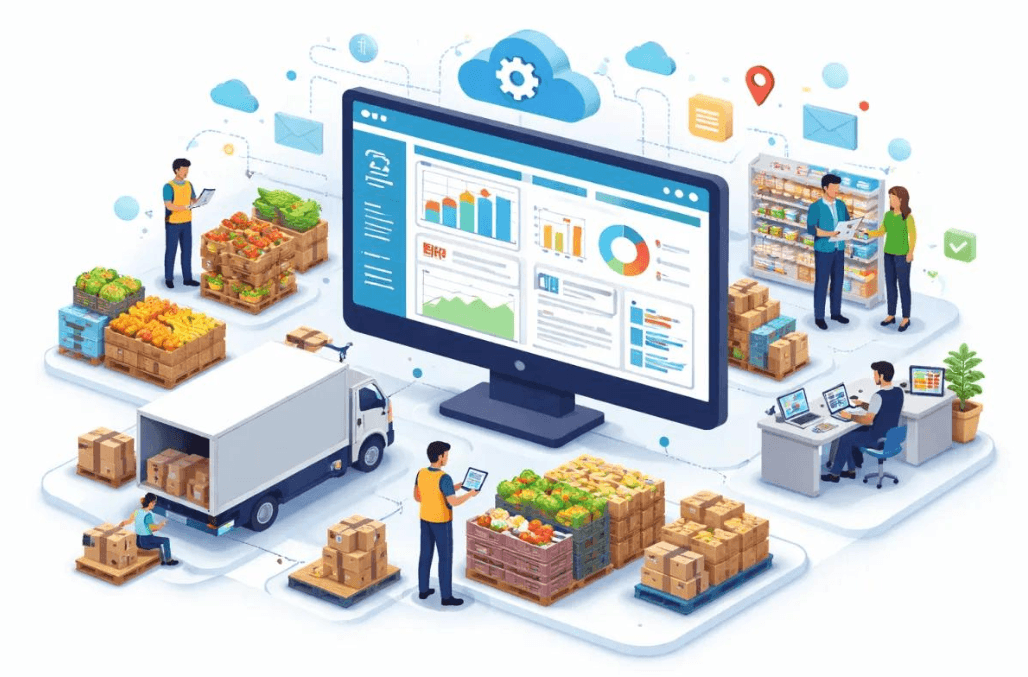
Global Food Loss Intelligence: Strategic Screening & Decision Framework
An executive decision-support whitepaper translating the official FAO Food Loss Index (SDG Indicator 12.3.1a) into actionable intelligence for 2021–2023. This study establishes a data-driven monitoring baseline across major commodity groups, identifying Fruits & Vegetables (3-year mean index of 109.65) as the primary priority for diagnostic follow-up while offering structured strategies for public policy, industry benchmarking, and evidence-based resource allocation.